
Removing Nuisance Animals From Structures
Wildlife Trapping in San Mateo for raccoons, opossums, and similar animals in attics and crawl spaces
Raccoons tearing through roof vents to nest in attics, opossums taking up residence under decks, or skunks burrowing beneath foundations all create damage and health risks that worsen the longer animals remain in place. Wildlife intrusion into residential structures often starts with a small access point that the animal enlarges over time, turning minor vulnerability into significant structural damage. Treatment methods are selected based on the situation, prioritizing trapping and control that removes the animal while minimizing further property damage. Bills trapping and pest removal handles nuisance wildlife situations in San Mateo where safe capture and removal from residential structures require experience with unpredictable animal behavior.
These animals follow patterns based on food availability and denning instincts, which means properties offering both shelter and nearby food sources see repeated intrusion attempts even after one animal is removed. Raccoons in particular demonstrate problem-solving ability that lets them defeat simple exclusion measures, and they remember locations where they've successfully denned before. All animal handling is performed in accordance with California regulations, using methods appropriate for each species' size, behavior, and the location where they've established activity.
Arrange an evaluation to determine what species is present, where they're accessing your structure, and what trapping approach fits your specific situation.
What Wildlife Removal Actually Accomplishes
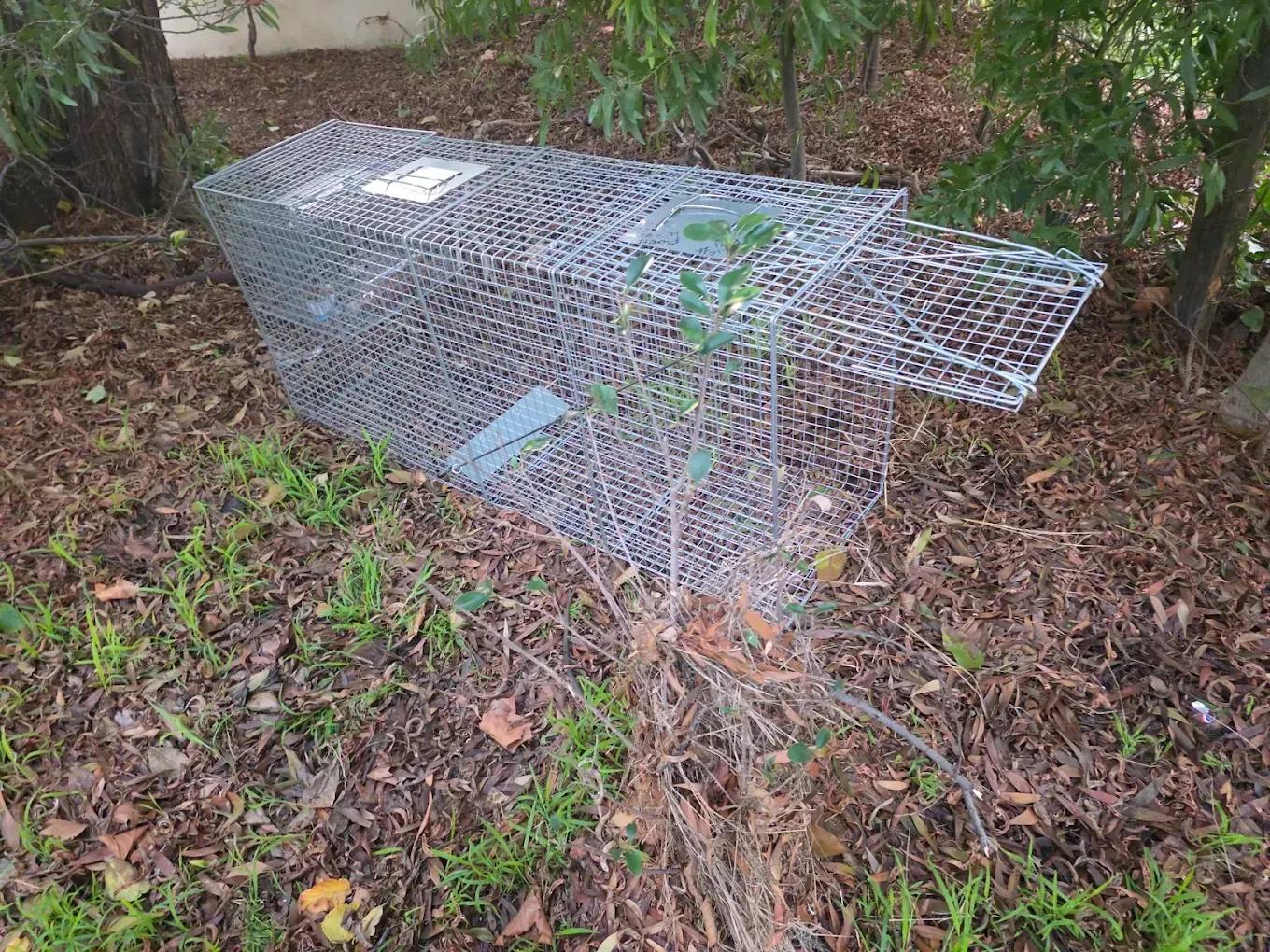
Trapping nuisance wildlife involves setting species-appropriate traps along travel routes between the den site and food sources, checking traps on a schedule that prevents prolonged animal stress, and modifying the setup if initial placement doesn't produce results within expected timeframes. Raccoons, for example, are trap-savvy and may avoid poorly positioned sets, while opossums are less cautious and typically enter traps readily if placed directly in their travel path.
Once the animal is removed, you'll notice the sounds of movement in attics or under floors stop completely, the smell from urine and feces concentrated in nesting areas becomes apparent and can be addressed, and you can access spaces that were unsafe to enter while the animal was present. Raccoons often create latrines in attic corners where waste accumulates to levels requiring insulation removal and sanitization. Opossums are less destructive but still leave contamination that needs cleanup once they're gone.
Wildlife trapping reveals what attracted the animal initially—accessible garbage, pet food left outdoors, fruit trees dropping food near the house, or overgrown vegetation providing cover to approach the structure unnoticed. Removing the animal without addressing these attractants means another animal of the same or different species will likely find the same setup appealing. The service includes identifying what made your property attractive so you can make changes that reduce future intrusion risk.
Answers to Frequent Service Questions
Property owners dealing with wildlife intrusion typically need clarity on what the trapping process involves and what happens after the animal is captured.
What's the most common wildlife intrusion scenario in San Mateo residential areas?
Raccoons accessing attics through roof-to-wall joints or damaged vents represent the majority of calls, especially during spring when females seek denning sites to raise young, followed by opossums sheltering under decks and in crawl spaces.
How do you trap an animal that's inside an attic or wall cavity?
Trapping involves identifying the entry point the animal is using, placing traps at that access point or along travel routes inside the attic if safely accessible, and in some cases, installing one-way exclusion doors that let the animal exit but prevent re-entry.
Why do raccoons cause more damage than other nuisance wildlife?
Raccoons have dexterous front paws that let them tear through soffit vents, pry up shingles, and rip open entry points that other animals can't create, and they often expand small gaps into holes large enough for their body plus future litters.
When is wildlife most likely to intrude into residential structures?
Late winter through early summer sees peak activity as animals seek denning sites for raising young, but wildlife intrusion happens year-round in San Mateo's mild climate since animals don't face the same seasonal pressure to find shelter that drives behavior in colder regions.
What should I look for to confirm an animal is actually living in my attic versus just passing through?
Consistent noise at the same time each day, visible damage to insulation or stored items, accumulation of droppings in one area, and strong odor all indicate the animal has established a den site rather than simply exploring the space.
Bills trapping and pest removal applies species-specific knowledge to wildlife situations where safe capture and structural protection both matter. Call (408) 840-5694 to discuss your wildlife intrusion problem and schedule trapping service in San Mateo.