
Sealing Gaps Where Animals Keep Getting In
Exclusion and Entry Point Sealing in San Mateo for properties where wildlife returns after removal or trapping
Trapping removes the current animals, but open entry points allow new ones to move in within days. Exclusion work seals structural gaps, vents, and roofline openings using durable materials designed to withstand gnawing, weather exposure, and the persistent effort of rats, squirrels, and raccoons trying to regain access. Bills Trapping and Pest Removal performs exclusion and sealing in San Mateo, focusing on long-term prevention after removal services confirm the structure is empty.
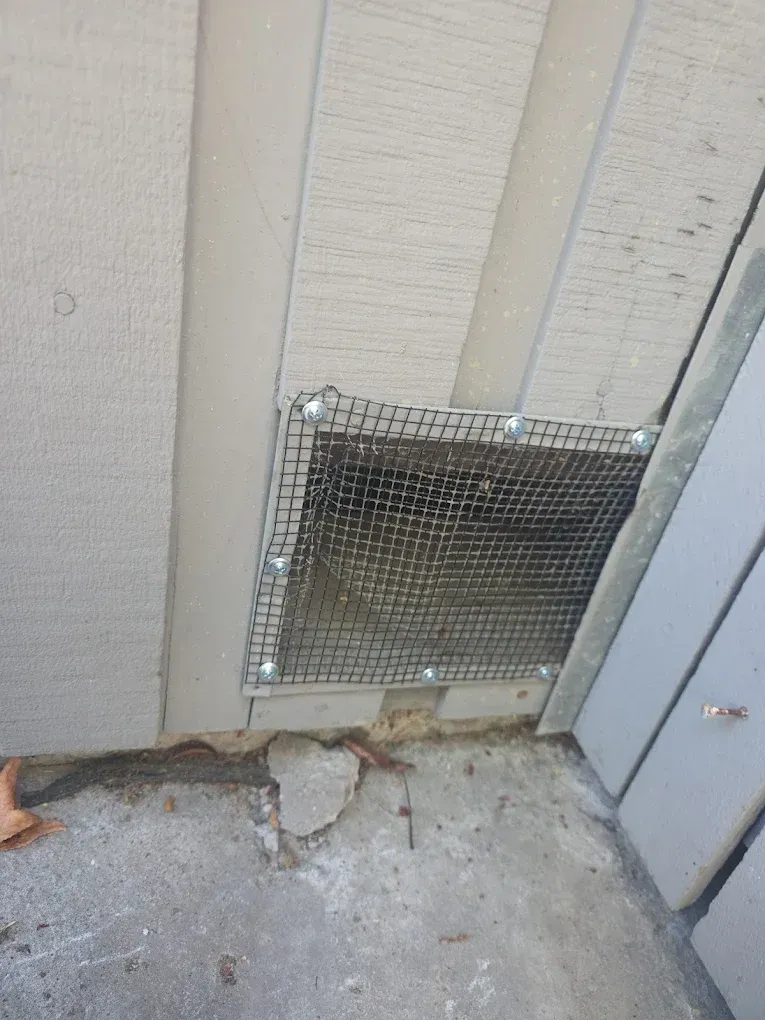
Roof rats chew through plastic vent screens and thin wood fascia within hours of finding a gap, while raccoons tear apart compromised soffit panels to reach attic spaces they've previously denned in. Sealing requires matching materials to the threat—galvanized steel mesh for vent covers, heavy-gauge hardware cloth for foundation gaps, and metal flashing for roofline edges where wood has deteriorated. California property standards emphasize ventilation, so sealing work maintains airflow while blocking animal access.
Request an inspection and sealing estimate if animals have returned after previous removal attempts.
Why Sealing Methods Must Outlast Animal Behavior
Effective sealing addresses not just the visible gap but the surrounding material that animals will test once the primary entry is blocked. Rats gnaw at the edges of patches looking for weak points, and raccoons pry at seams where two materials meet. Work includes reinforcing deteriorated wood before installing metal barriers, securing fasteners into solid framing rather than thin trim, and overlapping materials to eliminate gaps at corners or seams.
After sealing is complete, you'll see metal mesh or flashing covering previously open vents, gaps filled with materials that match the structure's appearance, and roofline edges that no longer show chew marks or separation. Attic temperatures stabilize as drafts from unsealed openings disappear, and you'll stop hearing new animal activity in spaces that were repeatedly invaded. The work produces a structure that resists both opportunistic entry and determined gnawing.
Exclusion pairs with trapping and removal services because sealing entry points while animals are inside traps them in the structure, often leading to death in inaccessible spaces. Timing matters—sealing happens only after trapping confirms the area is clear. Some entry points require one-way doors that allow animals to exit but not return, with permanent seals installed once activity stops.
Questions Before Starting Your Project
Sealing scope, material durability, and timing relative to trapping are decisions that affect both cost and long-term results.
What materials last longest against chewing and weather?
Galvanized steel mesh resists rust in coastal climates and blocks gnawing by rats and squirrels, while heavy-gauge aluminum flashing covers roofline gaps without warping under sun exposure or winter rain common in San Mateo.
How many entry points does a typical property have?
Single-story homes average three to six entry points concentrated around rooflines and vents, while two-story properties with complex rooflines often have eight to twelve gaps requiring sealing, especially where additions create seams and transitions.
Can sealing happen during the same visit as trapping?
Sealing occurs only after trapping confirms all animals have been removed from the structure, which typically requires a follow-up visit once traps have been checked and activity has stopped for at least 48 hours.
What happens if new gaps appear after sealing?
Wood rot, storm damage, and settling can create new openings over time; regular exterior inspections help catch gaps before animals exploit them, and previously sealed areas rarely fail if proper materials were used initially.
Does sealing affect attic ventilation?
All animal handling and removal is performed in accordance with California state regulations, and sealing work maintains required ventilation by replacing damaged vent screens with secure mesh rather than blocking airflow entirely.
Bills Trapping and Pest Removal coordinates sealing with removal timelines to avoid trapping animals inside. Arrange an on-site evaluation to review entry points and discuss material options based on your property's specific vulnerabilities.