
Property Protection From Increasing Coyote Activity
Coyote Removal in San Mateo for neighborhoods with repeat sightings and pet safety concerns
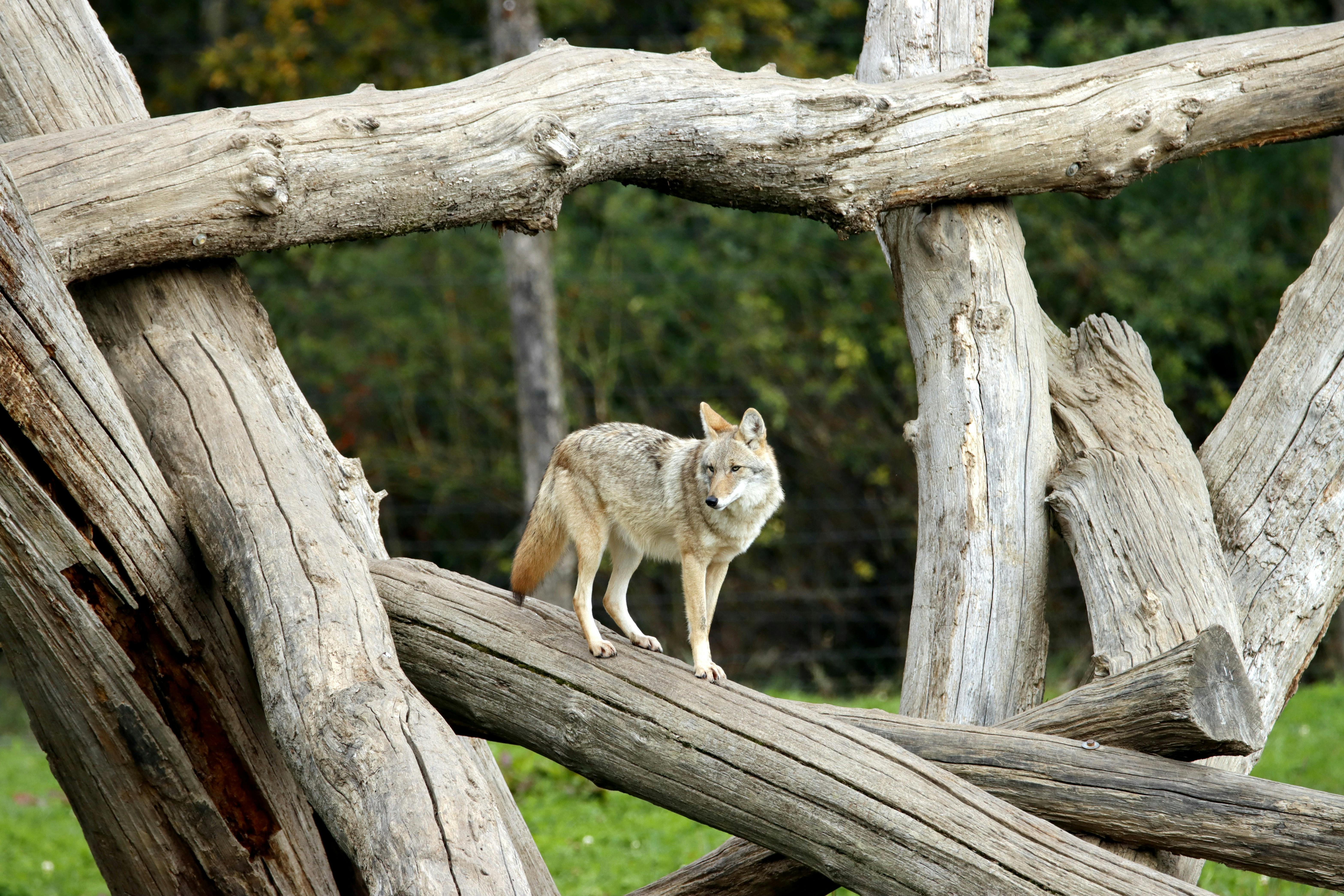
Coyote sightings in suburban neighborhoods have increased across the Peninsula and South Bay as expanding residential areas overlap with wildlife corridors and open space preserves. You're dealing with repeat visits when the same coyote or pack returns to your street, tests fencing around yards, or appears during daylight hours near homes. Bills trapping and pest removal addresses coyote activity in San Mateo through control and deterrence methods designed to reduce the risk these animals pose to pets and small children.
Coyotes establish routines around food sources and safe travel routes, which means a single sighting often indicates the animal has already identified your neighborhood as part of its territory. Treatment methods are selected based on the situation, focusing on control and deterrence that disrupts the pattern bringing coyotes into residential zones. Properties with unsecured garbage, outdoor pet food, or dense landscaping that provides cover become regular stops on a coyote's nightly route.
Request a property inspection to assess what's attracting coyotes and develop an intervention plan tailored to your neighborhood's activity pattern.
What You Notice Once Coyote Intervention Is Finished
Effective coyote control involves identifying travel patterns, removing attractants, and applying deterrence measures that make your property less appealing than alternative routes. Coyotes are highly adaptable and will avoid areas where they've had negative encounters or where food access has been eliminated. All handling is performed in accordance with California regulations without relocation claims, focusing instead on breaking the behavior pattern that brought the animal into residential areas.
Once intervention is complete, you'll notice coyote sightings decrease or stop entirely in your immediate area, pets can be let out during early morning and evening hours with reduced risk, and signs of coyote presence like scat or tracks near your property line disappear. Neighbors often report seeing the same reduction when one property addresses attractants, because coyotes adjust their routes to avoid areas that no longer offer easy access to food or shelter.
Long-term prevention requires maintaining the changes made during intervention—keeping garbage secured until collection day, feeding pets indoors, and trimming vegetation that provides cover along fence lines. Coyotes have excellent spatial memory and will test previously productive areas periodically, so consistency in removing attractants determines whether your property stays off their travel pattern. The service includes guidance on which property features matter most for deterrence based on observed coyote behavior in your specific neighborhood.
Questions Homeowners Ask About Coyote Control
Residents dealing with coyote activity in San Mateo typically want to understand what drives the problem and what actually changes after intervention.
Why are coyotes appearing in my neighborhood more frequently now?
Urban expansion into traditional wildlife corridors combined with drought conditions pushing coyotes toward residential water sources and landscaping that attracts rodents creates more overlap between human and coyote activity zones across the Peninsula.
What attracts coyotes to specific properties?
Accessible garbage, outdoor pet food left overnight, fruit that drops from trees and isn't cleared, and thick ground cover near foundations that shelters rodents all signal to coyotes that your property offers reliable food access.
How does coyote control work without relocation?
The approach focuses on eliminating food sources, applying deterrence measures that make the area uncomfortable for coyotes, and in some cases, trapping to disrupt established patterns that bring the same animal back repeatedly.
When is the best time to address coyote activity?
Intervention works best before coyotes establish denning sites in late winter or before pups are born in spring, but any time you notice repeat sightings or bold daytime appearances warrants immediate action to prevent escalation.
What should I do if I see a coyote in my yard?
Make loud noise, appear large by raising your arms, and move toward the animal while maintaining distance—coyotes that flee immediately are exhibiting normal wariness, while those that hold ground or approach have lost healthy fear of humans and require professional intervention.
Bills trapping and pest removal uses deterrence and control methods proven effective in Peninsula neighborhoods where coyote and residential zones overlap. Call (408) 840-5694 to arrange an evaluation of coyote activity and develop a targeted response plan for your San Mateo property.