
Stopping Active Infestations in Living Spaces
Rodent Trapping and Removal in San Mateo for active rat and mouse infestations in attics and crawl spaces
Scratching sounds in walls during quiet hours, droppings appearing in cabinets overnight, or insulation disturbed in your attic all indicate rodents have moved beyond occasional intrusion into active infestation. Rats and mice reproduce quickly once they establish nesting sites inside structures, which means the problem expands faster than most homeowners anticipate. Bills trapping and pest removal focuses on identifying entry points and active infestation zones in San Mateo homes, then using trapping as the primary method for removal and control.
The severity of infestation and specific property conditions determine the treatment approach—roof rats accessing attics through overhanging branches require different trapping placement than Norway rats burrowing into crawl spaces from ground level. Treatment methods are selected based on the situation, with a strong focus on trapping and exclusion rather than relying solely on bait stations. Rodents follow scent trails and established pathways, so trapping must address both the active population and the routes they travel between nests and food sources.
Schedule an inspection to locate entry points and determine the extent of rodent activity in your attic, walls, or crawl space.
How Trapping Addresses the Full Infestation Cycle
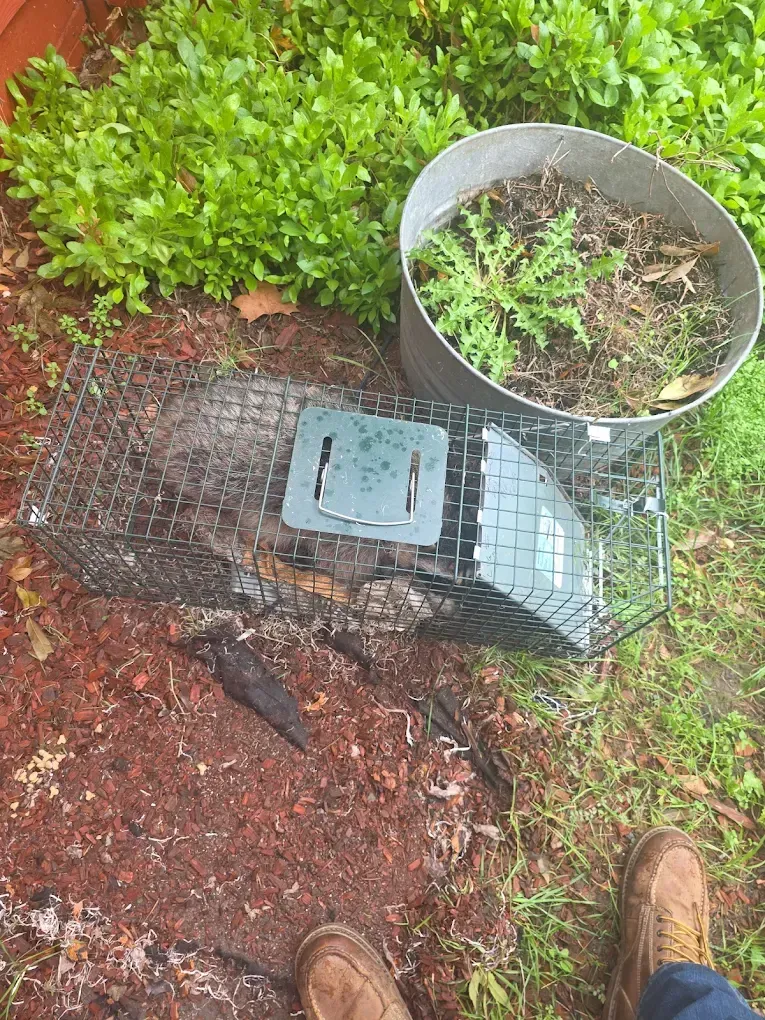
Effective rodent removal requires placing traps along active travel routes, monitoring results daily to adjust placement based on where rodents are actually moving, and sealing entry points while trapping is underway to prevent new animals from replacing those removed. Roof rats, for example, prefer elevated pathways and rarely travel at ground level, which means traps placed in attics must account for rafter runs and pipe chases where droppings and gnaw marks concentrate. All rodent control is performed in accordance with California regulations, ensuring methods align with state requirements for residential pest management.
After trapping is complete, you'll notice scratching and movement sounds stop entirely, no new droppings appear in previously active areas, and the smell associated with rodent urine and nesting materials begins to dissipate as ventilation clears affected spaces. The timeline for these changes depends on how long the infestation was established before treatment—larger populations leave more odor and contamination that takes time to clear even after all animals are removed.
Long-term prevention through exclusion means sealing the gaps rodents used to enter, which often includes roof-to-wall joints, plumbing penetrations, and foundation cracks wider than a quarter inch. Rodents can compress their bodies to fit through openings that appear too small, so exclusion work focuses on eliminating any gap that allows their skull to pass through. The service connects removal with prevention by addressing both the current population and the structural vulnerabilities that allowed infestation to develop.
Common Questions About This Service
Homeowners facing rodent problems in San Mateo typically want clarity on what the removal process involves and how quickly results appear.
How long does it take to eliminate an active rodent infestation?
Trapping duration depends on population size and how many entry points remain open, but most residential infestations show significant reduction within one week and complete elimination within two to three weeks of consistent trapping and exclusion work.
What's the difference between trapping and using bait stations?
Trapping removes rodents from the structure immediately and allows verification that animals are gone, while bait can cause rodents to die inside walls or attics where they're inaccessible and create odor problems as they decompose.
Why do rodents keep coming back even after previous treatment?
If entry points weren't sealed during the last service, new rodents follow the same scent trails and structural gaps that allowed the original infestation, which is why exclusion must happen alongside trapping to prevent recurrence.
What attracts rodents to attics and crawl spaces in San Mateo?
Mild coastal climate means rodents remain active year-round rather than seeking indoor shelter only in winter, and properties near open space or with fruit trees provide food sources that support larger rodent populations looking for nesting sites.
How do you find all the entry points rodents are using?
Inspection involves checking common intrusion areas like roof vents, eave gaps, and foundation cracks, then looking for specific evidence like grease marks, gnaw marks, and droppings that indicate active use versus potential vulnerabilities that haven't been exploited yet.
Bills trapping and pest removal combines trapping expertise with exclusion work to stop current infestations and prevent new ones from developing. Call (408) 840-5694 for a detailed inspection and removal plan for your San Mateo property.