
Odors That Signal Something Has Died Inside
Dead Animal Removal in San Mateo for persistent odors and contamination from deceased wildlife
A persistent smell that grows stronger each day typically means an animal has died inside your walls, attic, or crawl space. Bills Trapping and Pest Removal handles dead animal removal in San Mateo, locating and extracting deceased wildlife from areas where decomposition creates both odor problems and sanitation risks. Rats, squirrels, raccoons, and opossums often die in hidden spaces after illness, injury, or failed attempts to exit the structure.
The decomposition process releases fluids and gases that penetrate insulation, drywall, and subflooring, creating odors that ventilation alone cannot resolve. Locating the source requires understanding how animals move through structures and where they typically become trapped. Each day of decomposition increases the contamination radius and the difficulty of restoring affected materials.
Schedule an inspection to locate the source and assess contamination in surrounding materials.
What Happens During Removal and Sanitation
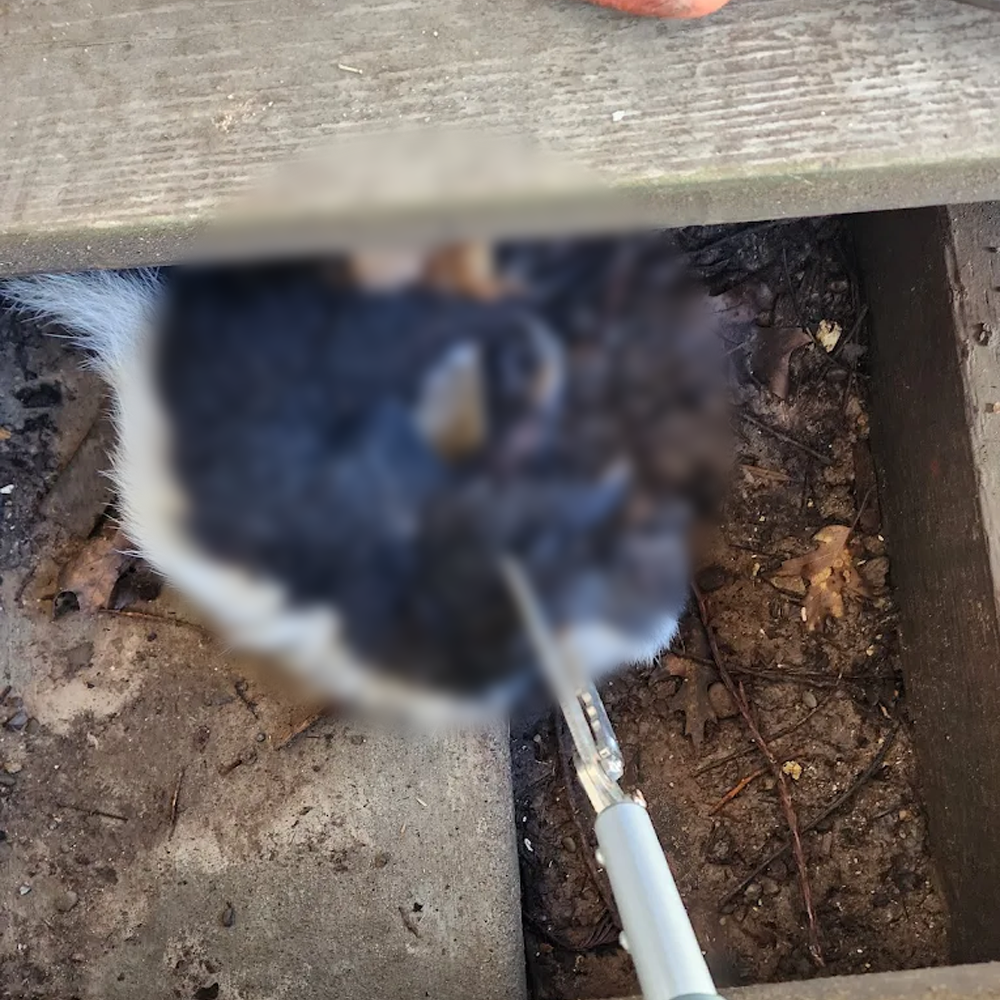
Removal begins with identifying the exact location through odor tracking, inspection of known animal pathways, and checking areas where temperature and airflow concentrate smells. Once located, the carcass is carefully extracted to avoid spreading fluids or disturbing nesting materials that may harbor parasites. All animal handling and removal is performed in accordance with California state regulations.
After extraction, you'll notice the most intense odor source is gone, though residual smells may linger in porous materials that absorbed decomposition fluids. The affected area is treated to address contamination, and any soiled insulation or materials are flagged for potential replacement. The goal is to remove not just the animal, but the biological contaminants that create ongoing health risks.
Removal services often pair with attic or crawl space cleanup when decomposition has saturated insulation or left droppings and nesting debris. In some cases, odor persists because multiple animals have died in separate locations, requiring a broader inspection. The process also includes checking how the animal entered, since open entry points mean additional wildlife may follow the same route.
What Homeowners Ask About This Service
Decomposition timelines, removal methods, and sanitation options vary depending on the animal's size and how long it has been decaying. These questions address the most common concerns about dead animal removal.
How do you locate a dead animal when the smell seems to be everywhere?
Odor intensity changes with airflow and temperature, so tracking involves inspecting spaces where animals commonly travel or become trapped—wall voids near plumbing, attic corners, and areas behind insulation where heat concentrates the smell.
What health risks come from leaving a dead animal in the structure?
Decomposition fluids carry bacteria and attract secondary pests like flies, beetles, and mites that spread to other areas of the home, while gases from decay can infiltrate living spaces and aggravate respiratory conditions.
Can the odor be removed without tearing into walls?
If the carcass is accessible through an attic hatch, crawl space entry, or removable vent, extraction avoids structural cuts; wall removal becomes necessary only when the animal is lodged inside a sealed cavity with no access point.
How long does the smell last after the animal is removed?
Residual odor fades over several days to two weeks depending on how much fluid soaked into surrounding materials, with quicker dissipation in well-ventilated spaces and slower fading in enclosed areas like wall cavities.
Does removal service include sanitation of the area?
Basic extraction addresses the carcass itself, while sanitation treats contaminated surfaces and materials; in San Mateo properties with extensive attic or crawl space contamination, full cleanup may be recommended as a separate service to restore air quality.
Bills Trapping and Pest Removal responds to odor complaints with same-day or next-day availability in most cases. Request immediate service if decomposition odors are affecting your indoor air quality.